Purchasing bulk weed, whether for personal use, retail, or production, is a significant investment. Ensuring quality control in this process is paramount to safeguarding your purchase, maintaining product integrity, and ensuring customer satisfaction. With the cannabis industry growing rapidly, understanding how to assess and guarantee quality when buying in large quantities is crucial. Here’s a comprehensive guide on how to ensure quality control when purchasing bulk weed.
1. Know Your Supplier
The first step in ensuring quality control when purchasing bulk weed is selecting a reputable supplier. Due diligence is key—research potential suppliers thoroughly before committing to a purchase. Look for suppliers who are transparent about their growing practices, certifications, and quality control measures. Checking for reviews, testimonials, and industry reputation can also provide insight into the reliability and trustworthiness of a supplier. If possible, visit the supplier’s facility to observe their operations firsthand.
2. Understand the Product Specifications
Knowing what you're buying is essential when purchasing in bulk. This includes understanding the strain, cannabinoid profile, terpene profile, and other chemical characteristics of the product. Ensure that the supplier provides detailed specifications for the weed, including its THC and CBD content, moisture levels, and any potential contaminants like pesticides, heavy metals, or mold. Request a Certificate of Analysis (COA) from a third-party lab to verify these specifications. This certificate should confirm that the product meets your quality standards and is free from harmful substances.
3. Inspect the Product Physically
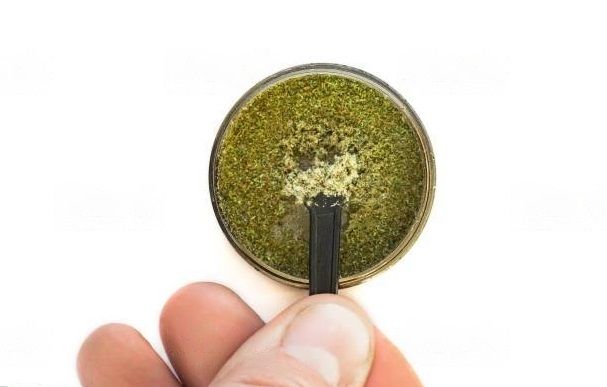
Physical inspection is a vital aspect of quality control. When purchasing bulk weed, it's important to examine the product closely for signs of quality. Look for buds that are well-trimmed, dense, and covered in trichomes, as these are indicators of high-quality cannabis. The color should be vibrant, typically a rich green, with hues that vary depending on the strain. Avoid buds that appear brown, dry, or overly crumbly, as these are signs of poor quality or improper storage.
Another key factor is the aroma. High-quality cannabis should have a strong, pleasant scent that reflects its terpene profile. A lack of smell or a musty odor can indicate degradation or contamination.
4. Check for Consistency in the Batch
When buying in bulk, consistency across the entire batch is crucial. Inconsistent quality within a batch can lead to issues in product performance and customer satisfaction. Inspect multiple samples from different parts of the bulk order to ensure uniformity in appearance, aroma, and texture. Inconsistencies might suggest poor handling, improper storage, or mixing of different batches, which can impact the overall quality of the product.
5. Evaluate the Moisture Content
Moisture content plays a significant role in the quality and preservation of cannabis. Cannabis that is too dry can lead to a harsh smoking experience and diminished potency, while overly moist cannabis is prone to mold growth. The ideal moisture content for cannabis is between 6% and 9%. Use a moisture meter to assess the moisture level of the product, or rely on the COA for this information. Properly cured cannabis will have a slight give when squeezed but should not feel wet or brittle.
6. Test for Potency and Contaminants
Even if a supplier provides a COA, conducting your own testing can provide additional assurance of quality. This is especially important if you're purchasing from a new supplier or if you have concerns about the authenticity of the COA provided. Testing should cover potency (THC and CBD levels), terpenes, and contaminants like pesticides, mold, and heavy metals. Many third-party labs offer comprehensive testing services that can provide an unbiased analysis of your bulk purchase.
7. Consider Storage and Packaging
Proper storage and packaging are essential to maintaining the quality of bulk weed. Ensure that the supplier uses appropriate packaging that protects the product from light, air, and moisture, all of which can degrade cannabis over time. Vacuum-sealed bags, nitrogen-flushed containers, or glass jars with airtight seals are commonly used to preserve freshness. Additionally, the storage environment should be cool, dark, and dry to prevent the growth of mold and mildew.
8. Develop a Relationship with the Supplier
Building a strong relationship with your supplier can greatly enhance quality control efforts. Regular communication and feedback help ensure that your expectations are met consistently. A good relationship can also lead to better deals, priority access to high-quality products, and potential collaborations on custom strains or blends.
9. Implement a Quality Control Checklist
Developing and adhering to a quality control checklist is a practical approach to ensuring consistency and quality when purchasing bulk weed. This checklist should include steps like verifying the COA, physical inspection, moisture testing, and batch consistency checks. Having a standardized process reduces the risk of overlooking critical aspects of quality control and helps maintain high standards in every purchase.
Conclusion
Ensuring quality control when purchasing bulk weed is a multi-faceted process that requires diligence, knowledge, and attention to detail. By following the steps outlined above—researching suppliers, understanding product specifications, conducting thorough inspections, and maintaining good relationships—you can confidently secure high-quality cannabis in bulk, whether for personal use or business purposes. As the cannabis market continues to evolve, maintaining stringent quality control practices will be key to staying competitive and delivering superior products to consumers.